
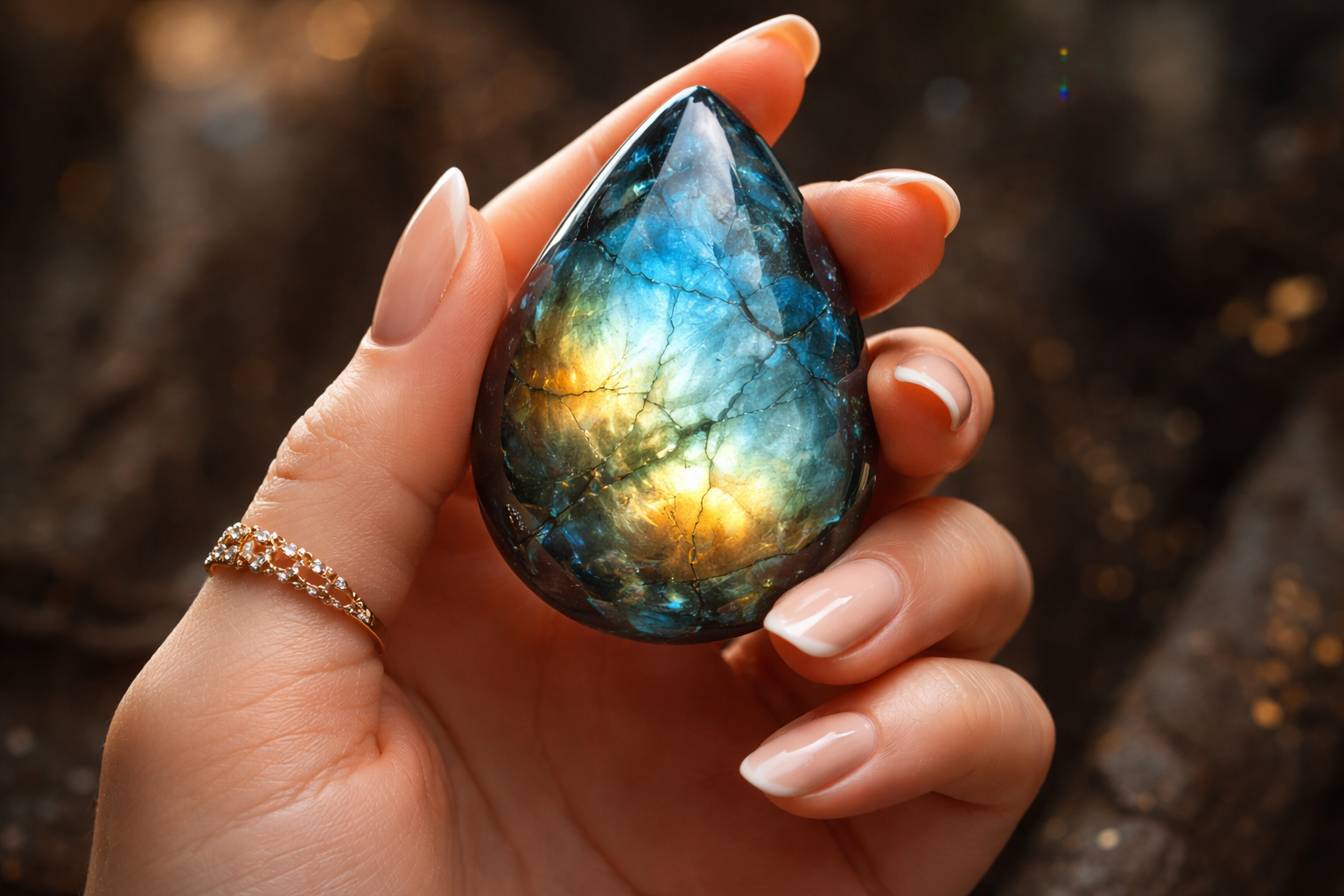
Since ancient times, gemstones have fascinated humanity.
They capture the eye, but they also speak to the imagination.
Long before modern gemology, they were seen as symbols of strength, protection, and eternity.
👉 A gemstone evokes stability and deep time, embodying a presence that transcends centuries.
Gemstones and Spirituality
Across many cultures, gemstones are not only observed — they are experienced.
They have been used as talismans, protective objects, and spiritual tools
For thousands of years, they have accompanied rituals, beliefs, and traditions.
👉 A gemstone becomes a bridge between the visible and the invisible.
Gemstones and Major Religious Traditions
Gemstones have crossed cultures and eras, holding symbolic roles within major spiritual traditions. They often represent purity, wisdom, protection, or the divine.
- Judaism
Certain gemstones appear in ancient texts and sacred ornaments, symbolizing the relationship between humanity, law, and the divine. - Christianity
Gemstones are associated with light and spiritual perfection, often representing higher values and celestial realities. - Islam
Gemstones are appreciated for their beauty and symbolism, often used in personal adornment or as meaningful gifts, blending tradition and intention. - Buddhism
Gemstones are linked to meditation, presence, and inner balance. Some are used in spiritual practices for the awareness they evoke.
✨ Across these traditions, gemstones become more than matter.
They form a link between the material and the spiritual. A natural presence inviting reflection and emotion.
Gemstone Symbolism Across Cultures
The symbolism of gemstones is never fixed.
A single stone may carry multiple meanings depending on culture, era, and tradition.
👉 Interpretation evolves — shaped by human perception and history.
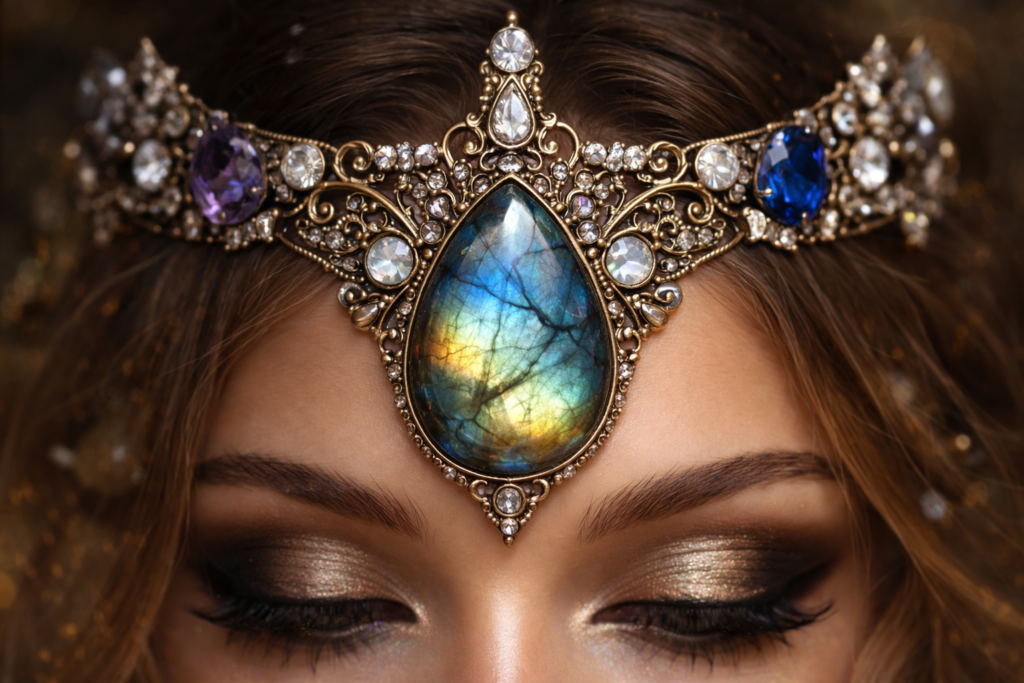
Overview of Gemstone Meanings
Certain gemstones are commonly associated with symbolic meanings:
- Amethyst — calm, clarity, balance
- Emerald — renewal, harmony, growth
- Sapphire — wisdom, truth, elevation
- Diamond — purity, strength, eternity
- Aquamarine — serenity, fluidity, softness
- Garnet — energy, commitment, vitality
- Peridot — renewal, freshness, dynamism
- Tanzanite — transformation, intuition, depth
- Citrine — light, joy, abundance
- Opal — creativity, imagination, spontaneity
- Topaz — clarity, expression, confidence
✨ These meanings are indicative and vary across cultures and personal interpretations.
The Energy of Gemstones
Some people perceive gemstones as carriers of subtle energy.
- Subtle and deeply personal
- Able to soothe, energize, or bring reassurance
👉 This perception adds depth to the relationship with gemstones, while remaining fully compatible with a scientific gemological approach.
Emotion Comes First
Despite all symbolism, the most important factor remains personal connection.
A gemstone may:
- immediately attract attention
- create curiosity
- evoke calm or fascination
✨ It is chosen first for what it expresses — not only for what it represents.
How to Choose a Gemstone
- Be drawn to its color
- Observe how it reflects light
- Take time before deciding
- Do not rely only on symbolic meanings
👉 A gemstone may carry symbolism, but above all, it must resonate with you.
Conclusion — Gemstones, More Than Just Matter
Gemstones are not simply minerals.
They are:
- fragments of Earth
- witnesses of geological time
- cultural and symbolic objects across civilizations
Some carry spiritual meaning.
Others are appreciated purely for their beauty.
But all share one thing in common:
👉 they remain timeless objects of fascination ✨